
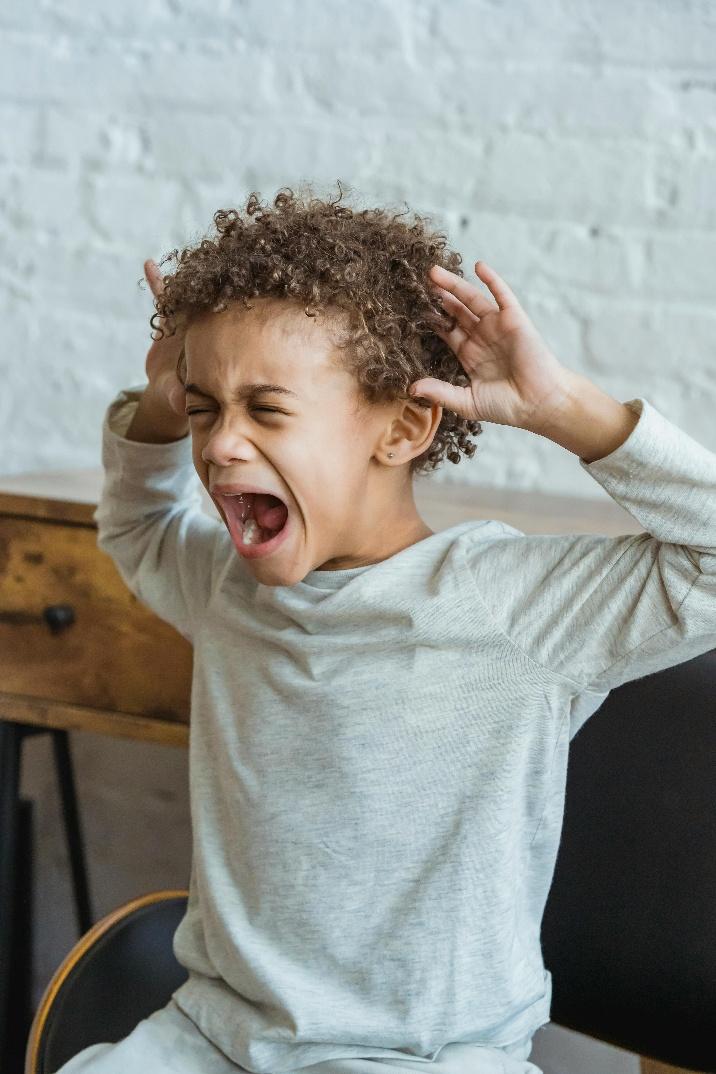
Have you ever found your child in a situation where they seemed unusually quiet, or showing frequent tantrums that lasted for a few minutes? Or your teen wishing to skip school all the time? Maybe it’s that sudden fear before school, the sleepless nights before tests, or a once-outgoing teen now avoiding friends.
It’s easy to think, “Maybe it’s just a phase.” But sometimes, what looks like moodiness or growing pains could actually be something deeper, i.e., anxiety. In fact, research conducted in 2023 suggests that 11% of children and teens aged 3-17 had diagnosed anxiety.
This guide will highlight some of the most common child and teen anxiety symptoms and how recognizing them early can make all the difference in helping your child feel safe, confident, and emotionally balanced.
Why Does Anxiety in Children and Teens Go Unnoticed?
Children and teens are incredibly good at hiding their emotions. They might say “I’m fine,” when inside, their thoughts are racing. Some worry that admitting anxiety will make them look weak, while others don’t yet have the words to describe how they feel.
Parents often mistake anxiety for attitude changes, tiredness, or school stress. However, unlike occasional nerves, anxiety affects how a young person thinks, behaves, and even feels physically. It becomes an anxiety disorder when it starts to affect daily functioning, both physical and emotional.
For instance, a 10-year-old who suddenly refuses to attend school might not be acting defiant. They might be afraid of being embarrassed, bullied, or separated from home.
Recognizing child and teen anxiety symptoms early allows parents to respond with compassion instead of frustration.
Common Signs of Anxiety in Children and Teens
Here are a few behaviors and patterns parents should never overlook:
1. Sleep and Appetite Changes
If your child struggles to fall asleep, wakes up frequently, or has recurring nightmares, anxiety might be disrupting their rest. Likewise, a sudden loss of appetite or eating for comfort can signal inner distress.
2. Avoidance and Withdrawal
An anxious teen may start skipping social events, dreading school, or avoiding group activities they once enjoyed. While this might look like disinterest, it’s often a way to escape overwhelming worry.
3. Physical Complaints Without Medical Cause
Headaches, stomachaches, or muscle tension with no clear medical explanation often point to anxiety. The body reacts to emotional stress just as it does to physical pain.
4. Irritability or Restlessness
Some people assume that anxiety is always quiet. However, it can show up as irritability.
For example, a teen who snaps easily or fidgets constantly may be struggling with internal tension they can’t express.
5. Overthinking and Perfectionism
Children and teens with anxiety often battle an endless loop of “what ifs.”
“What if I fail?” “What if no one likes me?”
They may set impossibly high standards and feel crushed by even small mistakes.
6. Academic Decline
When anxiety builds, focus and motivation fade. Missed homework, slipping grades, or fear of tests might reflect not be just laziness; it could be a sign that anxiety is interfering with concentration.
How You Can Help Ease Your Child’s Anxiety

Here are some ways to acknowledge and address your child’s anxious concerns:
Start with Understanding
Instead of saying, “You’re overreacting,” try, “I can see this is really worrying you.” Acknowledgment builds trust and opens the door for honest communication.
Create a Calm Environment
Children feel safer with structure. Keep routines steady including regular mealtimes, bedtime, and quiet time help anchor their emotions when everything feels unpredictable.
Limit Overstimulation
Reduce exposure to violent content or social media pressure. We live in an era where children, especially teens, today are constantly bombarded with messages that can amplify fear and comparison.
Seek Professional Support When Needed
If anxiety disrupts daily life such as causing panic attacks, extreme avoidance, or hopelessness, then it’s time to reach out to a mental health and wellness professional in Raleigh, NC.
Mental health assessments and medication management can help bring balance and relief.
Help Your Child Find Calm with Breath of Life Mental Health and Wellness
Addressing a child’s mental health concerns is a significant part of helping them grow up to be a confident and resilient individual.
At Breath of Life Mental Health and Wellness, we understand how deeply anxiety disorder can affect children or teens along with their families. Our highly-trained team of mental health and wellness professionals provides thorough behavioral and mental health assessments, medication management, and anxiety disorder treatment in Raleigh, NC, to help individuals aged six and older regain confidence and emotional balance.
Schedule an appointment today to help your loved one get the right treatment.