
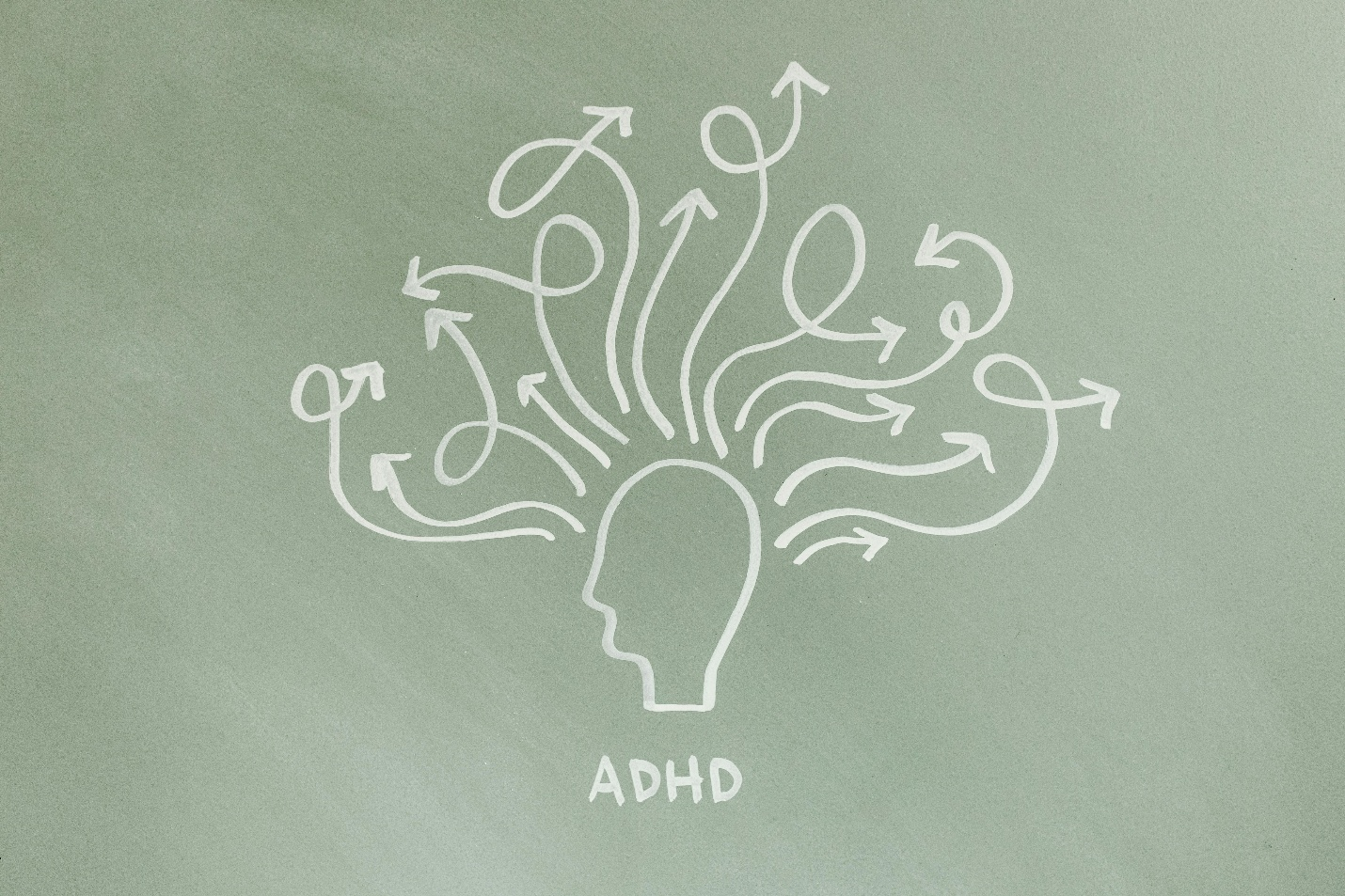
Ever heard someone say, “I’m so distracted — I probably have ADHD”?
In today’s world, where attention is constantly divided between screens, schedules, and stress, it’s easy to mistake distraction for a disorder.
However, Attention-Deficit/Hyperactivity Disorder (ADHD) is more than forgetfulness or restlessness. It’s a complex neurodevelopmental condition that affects how people think, manage emotions, and interact with the world around them.
Let’s debunk some of the most common myths about ADHD and uncover what this condition truly means for children and adults alike.
Myth #1: “ADHD Isn’t a Real Condition”
One of the most common misconceptions is that ADHD is just an excuse for being lazy or unfocused. In reality, the Diagnostic and Statistical Manual of Mental Disorders (DSM-5) defines ADHD as a legitimate neurodevelopmental disorder that involves persistent patterns of inattention, impulsivity, and hyperactivity.
Think of it this way; everyone misplaces their keys once in a while. But for someone with ADHD, this level of distraction affects everyday life, from missing deadlines to forgetting appointments, despite their best efforts. It’s not a lack of care; it’s a difference in how the brain regulates attention and impulse control.
Understanding ADHD helps us move away from blame and toward empathy.
Myth #2: “ADHD Is Only for Kids”
You may picture a fidgety child bouncing in their seat when you hear “ADHD,” but the condition doesn’t fade with age. Many adults continue to experience symptoms, even if they were never diagnosed as children.
In fact, experts estimate that over 15 million American adults have ADHD. Some may have spent years feeling “scattered” or “unmotivated,” unaware that their struggles had a name. Adults with ADHD might find it hard to stay organized, manage time, or complete projects, but they also tend to be incredibly creative and resourceful problem-solvers.
A busy parent who constantly misplaces their phone, forgets meetings, and jumps between tasks might not be careless; they could be managing undiagnosed ADHD.
Myth #3: “People with ADHD Just Need to Try Harder”
If effort alone could fix ADHD, the condition wouldn’t exist. People with ADHD often try harder than anyone else, but the challenge lies in how their brains regulate attention and motivation.
Some experience hyperfocus, a state of intense concentration on something that truly interests them while struggling to focus on routine or less stimulating tasks. A teen may spend hours perfecting an art project yet be unable to finish a short homework assignment. That’s not inconsistency; it’s how ADHD wiring works.
Myth #4: “ADHD Means You’re Not Smart or Capable”
Intelligence has nothing to do with ADHD. In fact, many individuals with ADHD excel in creative, innovative, and high-pressure fields. Olympic gymnast Simone Biles, astronaut Scott Kelly, and entrepreneur Bill Gates have all publicly discussed their ADHD diagnoses.
People with ADHD are often idea generators, quick thinkers, and bold risk-takers. The key is helping them channel their energy and creativity effectively through structure, self-awareness, and appropriate treatment.
Myth #5: “Medication Is the Easy Way Out”
Medication isn’t a shortcut; it’s one tool among many. Stimulant and non-stimulant medications can help regulate focus and impulsivity, but they don’t “cure” ADHD.
ADHD treatment in Raleigh, NC, often includes initial mental health assessments and medication management, and brief psychotherapy, all tailored to the individual. Imagine ADHD as a track race: while others start from the same line, a person with ADHD might begin a few steps behind. Medication and professional guidance are like good coaching; they help even the track, allowing individuals to perform at their best.
Why Early Assessment Matters

With so much misinformation online, especially on social media, many people self-diagnose without professional evaluation. However, But understanding ADHD accurately requires more than a video checklist; it calls for a trained mental health and wellness professional who can rule out other conditions like anxiety or depression.
A professional assessment provides clarity, ensures safe ADHD treatment, and gives individuals a roadmap for managing symptoms effectively at school, work, or home.
Compassionate ADHD Care at Breath of Life Mental Health and Wellness
Living with ADHD doesn’t mean falling behind; it means learning a different way to thrive. At Breath of Life Mental Health and Wellness, we believe that understanding ADHD begins with compassion, not judgment. Our mental health clinic in Raleigh, NC, provides comprehensive behavioral health evaluations and medication management for children, teens, and adults aged six and older.
Our mental health services also include depression treatment, anxiety disorder treatment, and mood disorder treatment.
Schedule your appointment today and discover the path to focused, balanced living.